
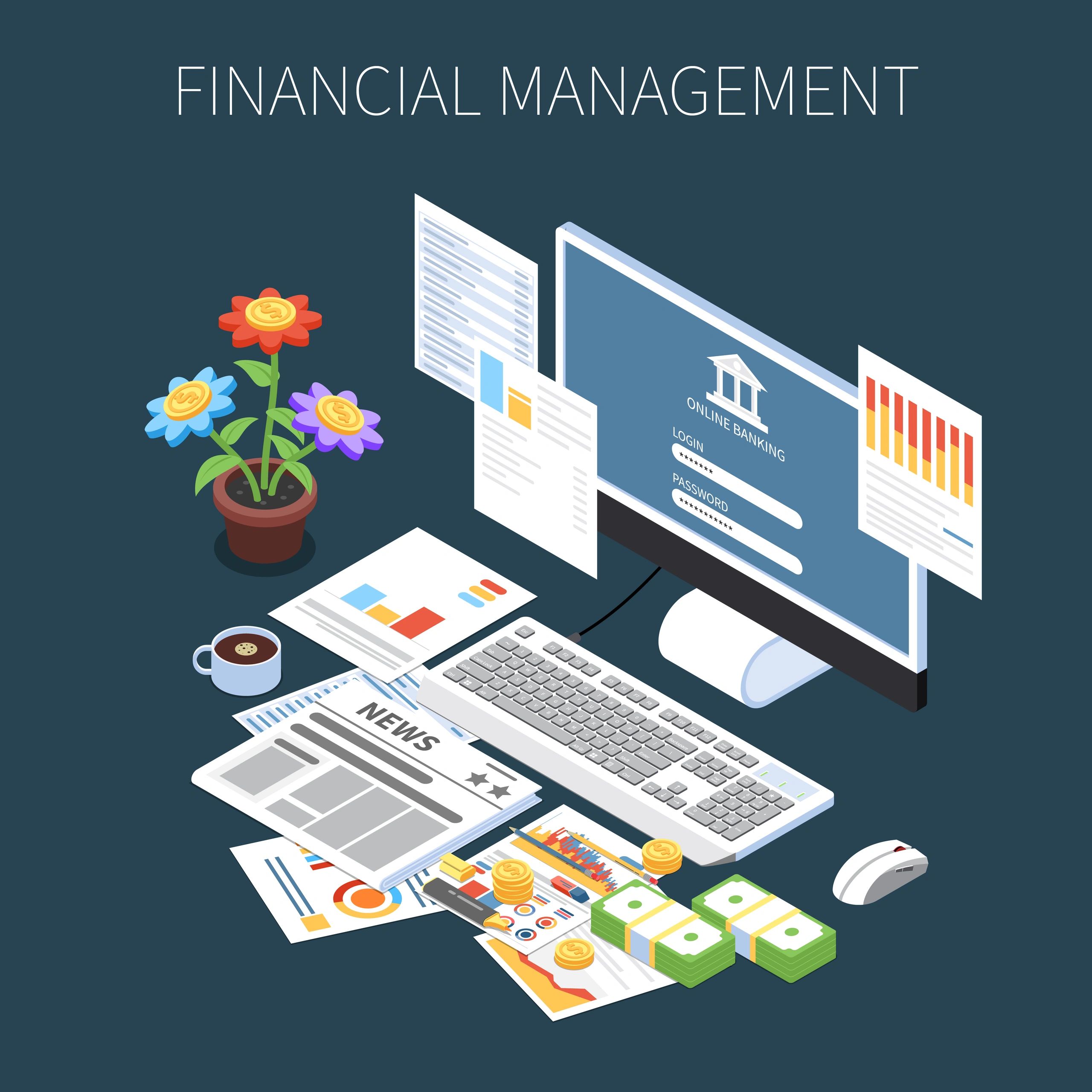
Keywords: Accounting , Digital cloud-based, Financial Management, Artificial Intelligence
Credit:– Oluwatoyin Ogunlaja Photo By: FP
Struggling to Keep Your Books in Order? 📊📅
Let us handle the numbers while you focus on growing your business! Get expert bookkeeping support tailored to your needs.
👉 Click Here for a Free Consultation!
Introduction
Accounting systems have changed greatly over the years. Businesses have moved from manual bookkeeping to digital accounting software that makes financial management faster and more accurate. This change has improved efficiency, reduced errors, and helped businesses make better financial decisions. Today, modern accounting systems are an important part of business success.
The Era of Manual Accounting
In the past, accounting was done using paper records, ledgers, and journals. Accountants recorded transactions by hand and prepared financial reports manually. While this method worked for many years, it was time-consuming and prone to mistakes. As businesses grew, managing financial records became more difficult. Finding information, preparing reports, and completing audits often took a lot of time.
As businesses grew, maintaining accurate and up-to-date records became increasingly difficult. Auditing and financial analysis were often delayed due to the time required to gather and verify information.
The Introduction of Computerized Accounting Systems
The introduction of computers changed the way businesses managed their finances. Companies started using computerized accounting systems to automate tasks such as data entry, calculations, and report generation.
This reduced human errors and improved the speed of financial processes. Accounting software also made it easier to store, organize, and access financial data whenever needed.
This switch considerably reduced errors and improved the speed of financial processing. Software solutions enabled accountants to store large volumes of data online, retrieve information quickly, and generate financial statements with greater accuracy.
The Rise of Digital and Cloud-Based Accounting
Today, many businesses use digital and cloud-based accounting platforms. These systems allow users to access financial information from anywhere with an internet connection.
Cloud accounting software offers many useful features, including:
- Real-time financial reporting
- Automated bank transactions
- Secure data storage
- Multi-user access
- Integration with other business tools
These features help businesses make faster and better decisions based on accurate financial data.
These systems allow businesses to access financial data in real time from any location, promoting flexibility and co-operation. Cloud accounting platforms offer features such as automated bank feeds, real-time reporting, multi-user access, and combination with other business applications. This has transformed accounting from a reactive function into a proactive tool for decision-making.
Furthermore, digital systems improve data security through regular backups, reducing the risk of data loss. They also support regulatory compliance by maintaining accurate records and providing audit trails.
The Role of Automation and Artificial Intelligence
Modern accounting systems use automation and artificial intelligence (AI) to handle routine tasks. Activities such as invoice processing, expense tracking, and bank reconciliation can now be completed automatically.
AI can also analyze financial data, identify trends, and provide useful insights. This allows accountants to spend more time on planning, analysis, and business strategy.
Impact on Businesses and Accountants
The growth of digital accounting systems has benefited both businesses and accounting professionals.
Businesses enjoy:
- Better efficiency
- Lower operating costs
- Faster financial reporting
- Improved accuracy
- Better financial visibility
At the same time, accountants have moved beyond traditional bookkeeping. They now play a larger role in financial planning, business advice, and decision-making.
The evolution of accounting systems has had a profound impact on both businesses and accounting professionals. Organizations benefit from improved efficiency, cost savings, and enhanced financial visibility. Live insights allow management to respond quickly to changing market conditions. For professionals, the role of the accountant has shifted from traditional bookkeeping to advisory and analytical functions. Accountants are now expected to interpret financial data, provide strategic guidance, and support business growth.
Challenges of Moving to Digital Accounting
Although digital accounting offers many advantages, businesses may face some challenges when switching from manual systems.
Common challenges include:
- Software costs
- Employee training
- Data migration
- System integration
- Resistance to change
With proper planning and training, these challenges can be managed successfully. Despite the numerous advantages, transitioning from manual to digital accounting systems is not without challenges. Businesses may face initial costs, require staff training, and encounter resistance to change. Data migration and system integration can also present technical difficulties.
However, with proper planning, training, and support, these challenges can be effectively managed, enabling organizations to fully leverage the benefits of digital accounting.
Conclusion
The evolution of accounting systems from manual bookkeeping to digital platforms has transformed financial management. Modern accounting software helps businesses improve accuracy, save time, and make informed decisions.
As technology continues to advance, accounting systems will become even smarter through automation and AI. Businesses that adopt digital accounting solutions will be better prepared for growth, efficiency, and long-term success. The journey from manual accounting to digital platforms represents a significant milestone in the evolution of financial management. Modern accounting systems have revolutionized how businesses record, process, and analyze financial information.
📞 Reach out to us today — we’re here to help, anytime and any day.
Check out our Free Additional Articles