
Keywords: business credit card, financial activity, positive business credit, lenders, loan terms, cash flow management, credit unions
Written By: Sultan Coker Photo By: FP
For many small business owners, the quest to establish and grow their operations often revolves around one fundamental concept: business credit. This intricate financial profile is more than just a score on a report; it’s a gateway to opportunities, resources, and business financing. In the early stages of a startup, your business credit is like the foundation upon which your enterprise’s financial reputation is built. That’s why the decision surrounding your first business credit card is of paramount importance.
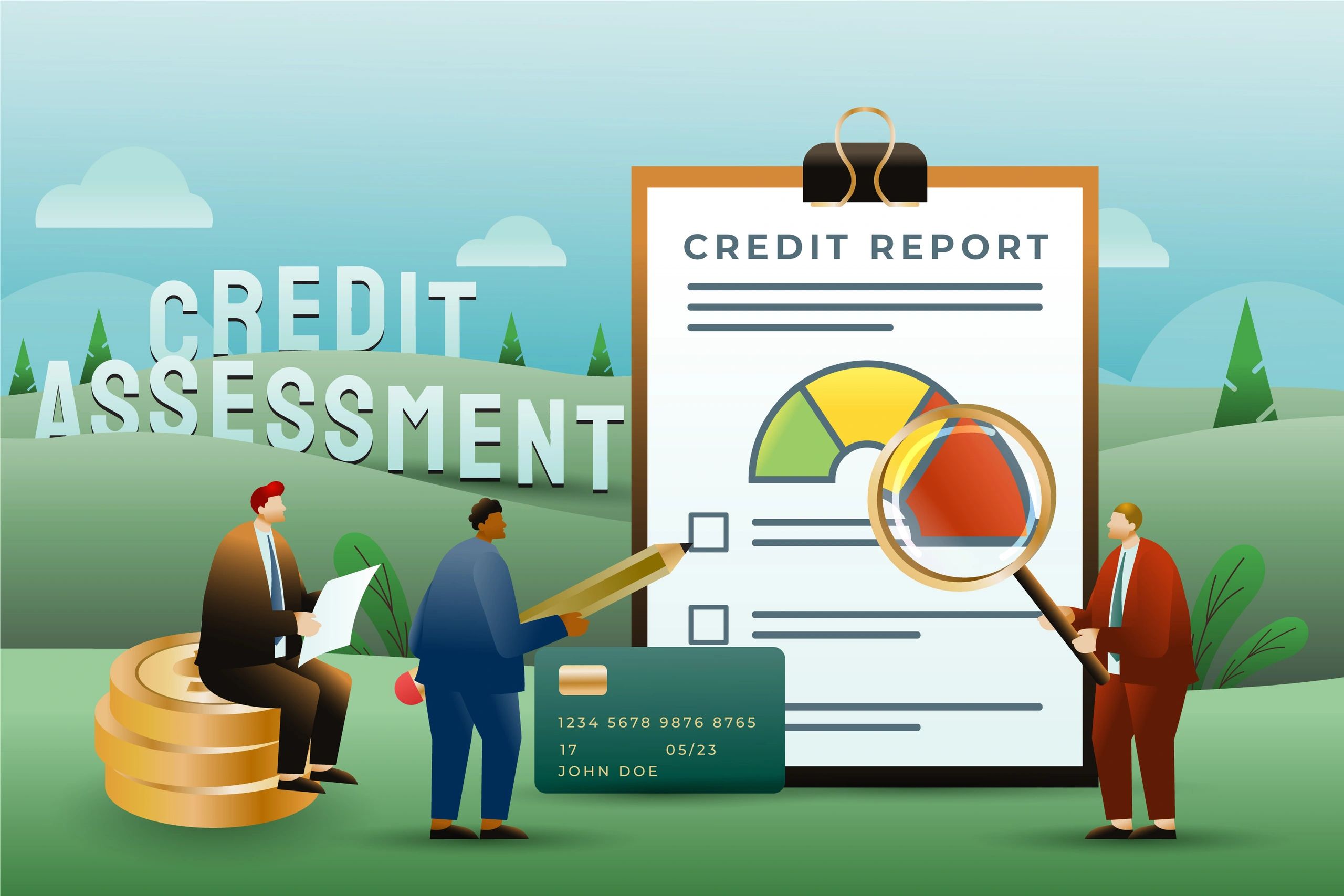
Before getting into the specifics of obtaining a business credit card, it’s essential to understand what business credit is and why it matters. Business credit is a record of a business’s financial responsibility, reflected by a score based on its credit history. It is similar to personal credit but focuses exclusively on business transactions. Every time you engage in a financial activity related to your business, whether it’s borrowing money or paying off debts, it impacts your business credit. A positive business credit isn’t just a number but a reflection of a business’s financial health, responsibility, and integrity. It serves as a vital metric that influences numerous aspects of business operations.
Having a positive business credit can:
Facilitate Business Financing: Lenders, from traditional banks to modern online platforms, utilize business credit as a primary assessment tool when evaluating loan applications. A robust business credit score isn’t just about loan approval; it’s about the quality of the loan terms. Businesses with higher credit scores are often offered lower interest rates, translating into significant savings over the loan’s life. A positive business credit can lead to higher credit limits, allowing businesses to undertake bigger projects or tackle unexpected large expenses without jeopardizing their financial health.
Increase Trust Among Stakeholders: Suppliers, vendors, and potential business partners often scrutinize a business’s credit report to gauge its reliability. A commendable score is a testament to the business’s timely financial commitments and overall stability. A positive credit score can provide a stronger position during negotiations, be it for bulk purchases, partnerships, or joint ventures. It signals a reduced risk for the other party, enabling smoother collaborations.
Improve Lease Terms: Whether it’s leasing high-tech equipment or securing prime office space, landlords and leasing companies feel more at ease with businesses that have a strong credit history. This trust can translate into more favorable lease terms, saving the business money. Companies with higher business credit scores might have access to a wider range of leasing options, be it longer-term leases or access to better-equipped facilities or premium locations.
Obtain Better Payment Terms with Suppliers: A business with a robust credit score might be offered more extended payment terms, such as net-60 or net-90 days, by suppliers. This flexibility can significantly aid in cash flow management, allowing businesses to optimize their working capital. Some suppliers offer early payment discounts or volume-based discounts to businesses with excellent credit, recognizing their reliability. Over time, these savings can accumulate and significantly impact the bottom line.
Steps to Apply for Your First Business Credit Card or Loan
1. Evaluate Your Current Business Credit:
Obtain your business credit report from major bureaus like Dun & Bradstreet, Equifax, or Experian. Familiarize yourself with your score and any factors contributing to it. If you spot any inaccuracies or discrepancies in your report, address them promptly. Incorrect information can affect your score and your card application.
2. Research and Compare Options: Delve into various card options from traditional banks, credit unions, and online lenders. If you travel frequently for business, you might prioritize a card with travel rewards. If your expenses are more varied, a card with broad cash back or points might be more suitable. Beyond rewards, pay attention to annual fees, interest rates, and other charges. Ensure they align with your business’s financial capacity. You may also want to read: Choosing Fixed or Variable Rate for Personal Loans & Credit Card
3. Gather Necessary Documents:
- Proof of Business: This could include your business license, articles of incorporation, or other formal documents proving your business’s existence.
- Financial Statements: Lenders often require up-to-date balance sheets, income statements, or cash flow statements to assess your business’s financial health.
- Tax Returns: Past business tax returns give lenders insight into your revenue trends and profitability.
- Business Plan: While not always mandatory, a clear and comprehensive business plan can demonstrate your business’s potential and reassure lenders about your strategic approach.
4. Understand the Terms: Familiarize yourself with the card’s grace period – the time you have to pay off your balance before interest kicks in. Ensure you know if the card’s rewards have an expiration date or if there are caps on the rewards you can earn.
5. Seek Recommendations: Discuss with colleagues or industry peers about the business credit cards they use and their experiences. Consult with a financial advisor or accountant who can provide guidance tailored to your specific situation.
6. Apply: Fill out the application meticulously, ensuring all details are accurate. Any discrepancies can lead to delays or denials. Some card providers might require an interview or additional clarification. Be prepared to discuss your business operations, financial management strategies, and reasons for seeking the card.
7. Post-application Due Diligence: If you haven’t heard back after a week or two, follow up with the card provider to inquire about your application status. Once approved, familiarize yourself with all aspects of your card, from its online management system to any associated benefits.
Tips to Ensure Business Credit Growth
Growing and maintaining a robust business credit profile isn’t just about getting a credit card or loan and using it. It’s about strategically navigating the complex financial landscape, making informed decisions, and continuously monitoring your financial health. Here’s an expanded guide to ensure a strong business credit trajectory:
- Use the Card Wisely: Your credit utilization ratio, which is the proportion of your outstanding balance to your card’s credit limit, significantly influences your business credit score. It’s recommended to maintain a utilization rate below 30%. Consistently maxing out your credit limit can signal potential financial stress or mismanagement to credit bureaus. Even if you pay in full each month, high balances reported to credit bureaus (which can be your statement balance) can impact your score. Consider making mid-cycle payments to keep the balance low.
- Pay On Time: Set reminders for your due dates to ensure you never miss a payment. Consider setting up automatic payments for at least the minimum amount due to ensure timely payments, even if you’re occupied with other business matters.
- Monitor Your Business Credit: Just as you’d regularly review other business metrics, make it a habit to check your business credit reports periodically. Quickly address any discrepancies or errors you spot. This proactive approach can prevent potential negative impacts on your credit score.
- Diversify Your Business Financing: While your first business credit card plays a foundational role, don’t let it be your only source of credit. As your business matures, diversify your financing methods. From secured business loans, merchant cash advances, to trade credit with vendors, there are numerous ways to diversify business financing, which can bolster your credit profile.
Where to Look for Business Credit Cards or Loans
- Major Banks: Renowned institutions like Bank of America, Chase, and Wells Fargo often roll out attractive business credit card offers. Their established reputation also means they often have comprehensive services that can benefit businesses.
- Credit Unions: Since they are member-owned and typically non-profit, credit unions can often provide more personalized services and potentially more favorable terms for their business credit card or loan products.
- Online Platforms: Platforms like NerdWallet or Credit Karma not only offer comparison tools but also provide insightful reviews and feedback. This can give you a clearer perspective on what to expect from different card products.
- Alternative Lenders: With the rise of fintech, many online lenders, like OnDeck or Kabbage, provide a range of business financing solutions. They might have more flexible criteria compared to traditional lenders, making them a suitable option for businesses that don’t fit the typical mold.
For small business owners, understanding and effectively managing business credit is an essential aspect of long-term success. Choosing the right business credit card can significantly impact your business’s financial trajectory. In essence, your first business credit card sets the tone for your business’s financial journey. It is not merely a transactional tool but a strategic asset that, when chosen and used wisely, can catalyze your business’s growth and stability. It’s about setting the stage for long-term fiscal health, credibility in the market, and laying a sturdy foundation upon which the edifice of one’s business empire can stand tall. Understand the intricacies of business credits, research options thoroughly, and manage your credit responsibly, for a prosperous future. Remember, business credit is an ongoing journey, and every financial decision you make will play a role in shaping it.
Check out our Homepage