
Keywords: risk management, accounting practices, financial information, internal controls, compliance
Written By: Sultan Coker Photo By: Storyset
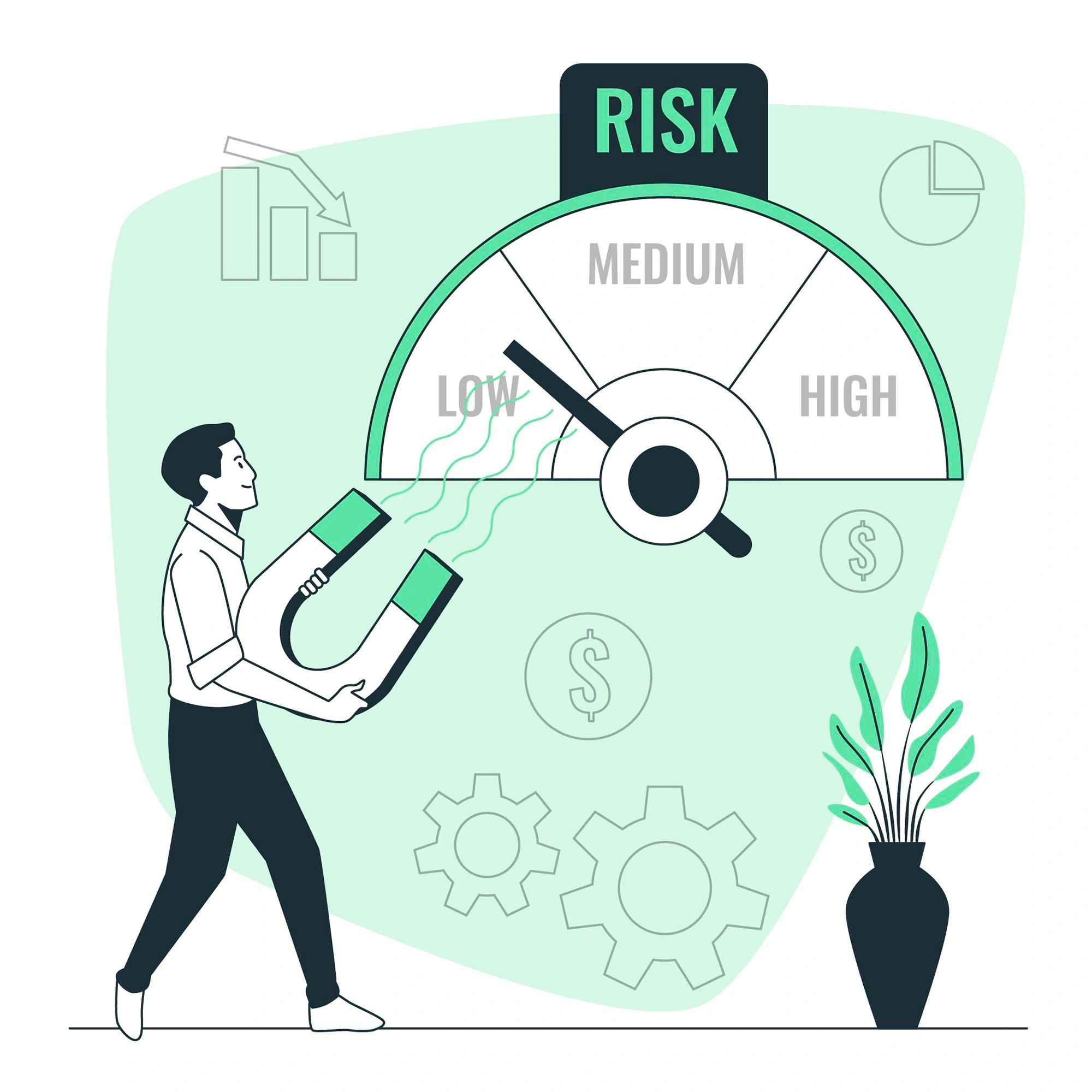
In today’s dynamic business environment, risk management plays a critical role in accounting practices. The field of accounting involves the systematic recording, analysis, and interpretation of financial information, but it is not immune to risks and uncertainties. Therefore, implementing effective risk management strategies is essential to ensure the accuracy, reliability, and integrity of financial reporting. This article explores the significance of risk management in accounting, highlighting key strategies and best practices that can help organizations mitigate potential risks and safeguard their financial processes.
Accounting is at the core of financial decision-making and provides stakeholders with vital information about an organization’s performance, stability, and prospects. However, accounting processes can be subject to various risks that may compromise the quality of financial reporting. These risks can include errors, fraud, regulatory non-compliance, internal control weaknesses, technological vulnerabilities, and external economic factors. Therefore, risk management becomes imperative to identify, assess, and mitigate these risks effectively.
Strategies for Effective Risk Management in Accounting:
1. Risk Assessment and Identification:
- Conducting comprehensive risk assessments to identify potential threats and vulnerabilities specific to the accounting function.
- Utilizing tools such as risk registers, control matrices, and risk heat maps to categorize risks based on their likelihood and impact.
- Regularly reviewing and updating risk assessments to ensure relevance and accuracy.
2. Internal Controls and Processes:
- Establishing robust internal control systems to safeguard financial transactions and prevent errors, misstatements, or fraud.
- Implementing segregation of duties to ensure a proper division of responsibilities and minimize the risk of collusion.
- Enforcing strong authorization and approval procedures for financial transactions, including dual control mechanisms.
- Performing regular reconciliations and reviews to identify anomalies or discrepancies promptly.
3. Compliance with Accounting Standards and Regulations:
- Staying abreast of accounting standards, such as Generally Accepted Accounting Principles (GAAP) or International Financial Reporting Standards (IFRS), and ensuring compliance.
- Conducting regular audits and independent reviews to assess adherence to accounting principles and regulatory requirements.
- Maintaining proper documentation and records to support financial transactions and comply with legal and regulatory obligations.
4. Technology and Automation:
- Embracing technological advancements, such as accounting software and enterprise resource planning (ERP) systems, to enhance accuracy, efficiency, and transparency.
- Implementing data analytics tools to detect patterns, trends, and anomalies in financial data, enabling proactive risk management.
- Ensuring the security of information systems and employing robust cybersecurity measures to protect against data breaches and unauthorized access.
Best Practices for Risk Management in Accounting:
- Establishing a risk management culture that promotes accountability, transparency, and ethical conduct throughout the organization.
- Regularly training and educating accounting professionals on risk awareness, control procedures, and emerging threats.
- Engaging internal and external stakeholders, such as auditors, regulators, and business partners, to obtain diverse perspectives and ensure comprehensive risk coverage.
- Monitoring and reviewing key risk indicators (KRIs) to proactively identify potential risks and take timely corrective actions.
- Continuously improving risk management practices by learning from past incidents and adopting industry best practices.
Conclusion
The integration of risk management into accounting practices is crucial for organizations to successfully navigate the unpredictable business landscape and uphold the trustworthiness of financial data. Through the implementation of efficient risk management strategies, businesses can elevate their financial processes, fortify defenses against fraudulent activities and inaccuracies, and adhere to accounting standards and regulations. The strategies and best practices discussed in this article serve as a reliable framework that empowers organizations to take proactive measures in managing risks within the accounting domain. Embracing a comprehensive and methodical approach to risk management, can help safeguard companies financial well-being and ensure the integrity of their financial reporting.
Check out our Homepage